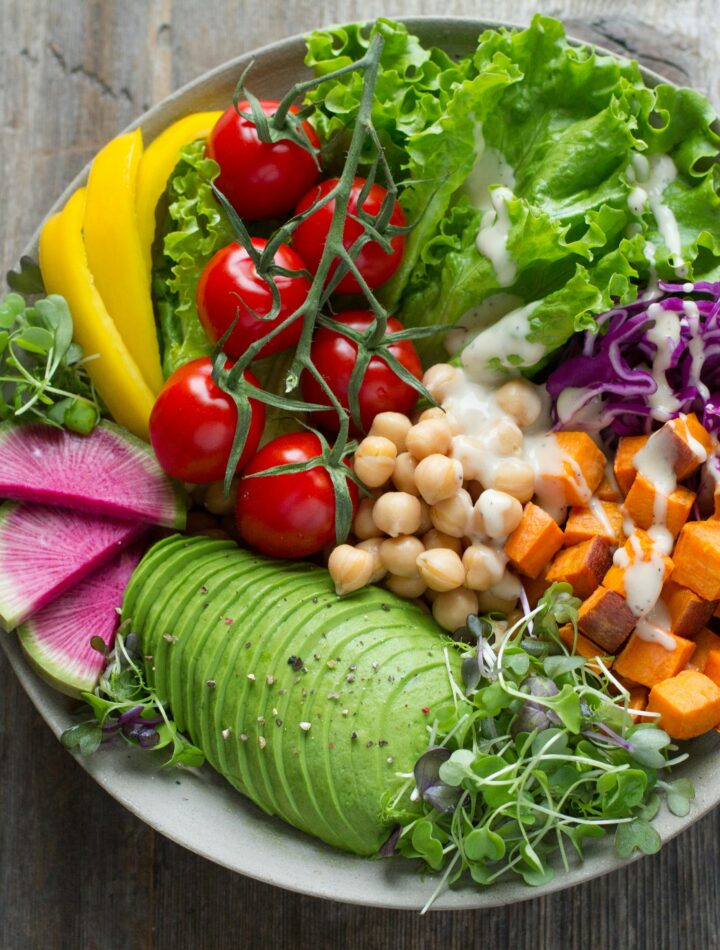
Hitting your high protein goal without meat sounds harder than it actually is. One can of black beans gives you about 15 grams. Two scrambled eggs with cheese? Around 20 grams. Cook a pot of lentils on Sunday and you may wonder why you were ever worried. That’s the whole idea behind these high protein vegetarian meals recipes: real food, real numbers, no complicated tracking.
According to Harvard Health Publishing, adults need about 0.8 grams of protein per kilogram of body weight or 0.36 grams per pound each day. That works out to about 53 grams for a 140-pound person. CDA data from the National Health and Nutrition Examination Survey (NHANES), men consume an average of 101.9 grams of protein daily, while women consume 70.1 grams. You can absolutely reach those numbers from beans, tofu, eggs, and dairy, with flavor to spare.
Here are the recipes I come back to, plus prep tricks that save weeknights from another takeout order.
The Best High Protein Vegetarian Foods to Keep in Your Kitchen
Keep these stocked at home, and most dinners become easy to plan and prepare.
- Lentils: about 18 grams of protein per cooked cup. Red lentils cook in 20 minutes, no soaking required.
- Chickpeas: about 15 grams per cup. Roast them, blend them into hummus, or toss them into curry.
- Black beans and kidney beans: about 15 grams per cup. Cheap, shelf-stable, ready when you crack open the can.
- Edamame: about 18 grams per cup, shelled. Frozen bags are a freezer staple.
- Tofu: about 20 grams per half block of firm tofu.
- Eggs: about 6 grams each is standard estimate. The fastest protein in your fridge.
- Greek yogurt and cottage cheese: about 14 to 25 grams per cup. Useful for breakfast, sauces, and smoothies.
The 2020-2025 USDA Dietary Guidelines recommend about three ½-cups of serving of beans, peas, and lentils per week as part of a healthy eating pattern depending on a person’s calorie needs. Most of us fall short of that, so a single bean-based dinner already moves you in the right direction.
Quick Vegetarian High Protein Meals Under 30 Minutes
Weeknights call for shortcuts. These quick high-protein vegetarian meals get a meatless dinner on the table fast.
Crispy tofu stir-fry: Cube a block of firm tofu, toss with cornstarch and salt, then pan-fry until golden. Add frozen broccoli, garlic, soy sauce, and a splash of rice vinegar. Serve over rice. Protein count: around 25 grams per serving.
Chickpea pasta with spinach: Boil chickpea pasta, which packs about 13 grams of protein per serving versus 7 in regular wheat pasta. Wilt baby spinach in olive oil with garlic and red pepper flakes, toss with the pasta, and finish with parmesan. Easy 25-minute dinner.
Black bean tacos: Mash a can of black beans with cumin, lime, and a spoonful of salsa. Warm them in a skillet, pile into tortillas with shredded cheese, avocado, and pickled onions.
Edamame fried rice: Use leftover rice, frozen shelled edamame, scrambled egg, and a sesame-soy sauce. Done in 15 minutes flat.
One-Pot Meals and Sheet Pan Dinners
Less time spent washing dishes means more time to enjoy your meal.
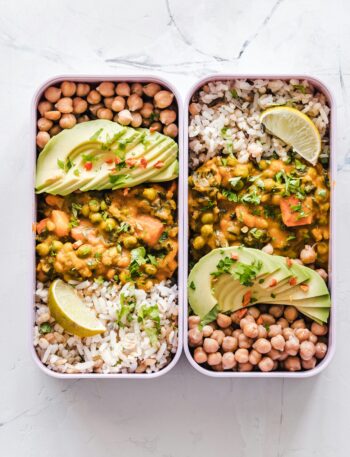
One-pot red lentil curry: Sauté onion, garlic, ginger, and curry paste. Add red lentils, diced tomatoes, coconut milk, and water. Simmer for 20 minutes. Serve over rice or with naan. You’ll get about 22 grams of protein per bowl.
Sheet pan paneer with vegetables: Cube paneer (the unaged Indian cheese has about 14 grams of protein per 3.5-ounce serving). Toss with bell peppers, onions, olive oil, and tikka masala spices. Roast at 425°F for 20 minutes. Stuff into pita or serve with rice.
Sheet pan halloumi and chickpeas: Drain a can of chickpeas, slice halloumi, scatter with cherry tomatoes and zucchini, then drizzle with olive oil and oregano. Roast for 20 minutes. Squeeze lemon over the top.
Filling Mains: Burger Patties, Pizza, and Pasta
Here are some comfort foods that still deliver plenty of plant-based protein.
Lentil burger patties: Pulse cooked lentils, oats, garlic, onion, and an egg in a food processor. Form into patties, then pan-fry until crisp. Each patty has about 12 grams of protein before you add the bun and cheese.
Cottage cheese pizza: Spread cottage cheese (about 14 grams of protein per half cup) over flatbread, then add tomato sauce, mozzarella, and your favorite veggies. Bake at 450°F for 10 minutes. The result is surprisingly creamy.
Lentil bolognese: Swap cooked brown lentils for ground beef in your usual marinara. Simmer with mushrooms and a glug of red wine. Serve over spaghetti or polenta.
High Protein Vegetarian Meal Prep that Actually Works
Sunday cooking pays off all week. Here’s a template that gives you five different dinners from one prep session.
Cook in Bulk:
- A big pot of brown rice or quinoa
- One can of chickpeas, roasted with spices
- A pan of crispy tofu cubes
- A pot of lentil soup
- Six hard-boiled eggs
- Roasted veggies: broccoli, sweet potato, bell pepper
Mix and Match the Rest of the Week:
- Monday: Tofu over rice with peanut sauce
- Tuesday: Roasted chickpea grain bowl with tahini drizzle
- Wednesday: Lentil soup with cottage cheese on toast
- Thursday: Egg salad on greens with everything bagel seasoning
- Friday: Veggie wrap with hummus and roasted veggies
That’s a full high-protein vegetarian meal plan from about two hours of cooking.
Vegetarian Lunch Ideas You’ll Actually Look Forward To
Boring lunches often push people back into the habit of eating the same sandwiches every day. These are some lunch ideas that hold up well in the fridge.
Greek chickpea bowl: Chickpeas, cucumber, cherry tomatoes, feta, olives, red onion, and a lemon-olive oil dressing. Pack the dressing separately.
Mason jar lentil salad: Layer dressing at the bottom, then cooked lentils, roasted veggies, feta, and greens on top. Shake when you’re ready to eat.
Cottage cheese savory bowl: Cottage cheese with cucumber, cherry tomatoes, everything bagel seasoning, and a soft-boiled egg on top. Around 30 grams of protein per bowl.
Edamame and quinoa salad: Cook quinoa, then mix with shelled edamame, shredded carrots, scallions, sesame oil, and rice vinegar. Keeps four days in the fridge.
Smoothies and Snacks to Close the Gap
If you find yourself at 3 PM still 20 grams behind, a smoothie can close the gap.
Blend a cup of Greek yogurt, frozen berries, a banana, a tablespoon of peanut butter, and a splash of milk. That’s about 25 grams of protein in a glass. Add a scoop of cottage cheese for an extra 12 grams without changing the taste.
For quick snacks, keep these around: roasted chickpeas, hard-boiled eggs, cheese sticks, steamed edamame pods, and dry-roasted soy nuts.
Conclusion: Build Your High Protein Vegetarian Meal Plan
A simple way to hit 50 grams without overthinking it:
- Breakfast: 2 eggs and a slice of cheese on toast = 18 grams
- Lunch: Lentil soup with cottage cheese on bread = 22 grams
- Dinner: Tofu stir-fry over rice = 25 grams
- Snack: Greek yogurt with berries = 14 grams
Total: about 79 grams from real food, no powder needed.
The real trick to high protein vegetarian meal planning is mixing protein sources across the day. Lentils plus rice. Beans plus corn. Hummus plus pita. You get a balanced amino acid profile, and you stop wondering whether you’re getting enough.
Cook a big pot of something on Sunday. Keep a few cans of beans, some eggs, and a block of tofu in your kitchen. The rest mostly takes care of itself. And that’s all for high protein vegetarian meals recipes.
FAQs
What are the best high protein vegetarian foods to keep at home?
Lentils, chickpeas, black beans, tofu, eggs, Greek yogurt, cottage cheese, edamame, and paneer are the most protein-dense vegetarian foods you can stock. A cooked cup of lentils has about 18 grams of protein, a cup of cottage cheese around 25 grams, and a half-block of firm tofu close to 20 grams. Keep a mix of these on hand and dinner usually falls into place without much planning.
How can vegetarians get enough protein in a day?
Vegetarians can hit their daily protein target by combining a few sources at each meal. Two eggs at breakfast (12 grams), a chickpea salad at lunch (about 18 grams), and a lentil curry at dinner (22 grams) gets you past 50 grams without much effort. Adding Greek yogurt or cottage cheese as a snack pushes the number higher.
What is the quickest high-protein vegetarian dinner?
A tofu stir-fry, chickpea pasta, or black bean tacos can be on the table in under 20 minutes. Frozen edamame stirred into leftover rice with a fried egg comes together in 10 minutes. Canned beans and a block of firm tofu are the two ingredients that save the most weeknight time.
Which beans have the most protein per cup?
Soybeans and edamame lead the bean list at about 18 to 22 grams of protein per cooked cup. Lentils follow at 18 grams, then black beans, kidney beans, and chickpeas at around 15 grams each. White beans and pinto beans land in the same 15-gram range, so most beans are pretty comparable.
How do I get 30 grams of protein in one vegetarian meal?
A bowl of lentil chili topped with Greek yogurt and shredded cheese reaches about 30 grams. So does chickpea pasta with cottage cheese stirred into the sauce, or two scrambled eggs with feta and a side of edamame. Combining two protein sources in one dish is the easiest way to hit 30 grams.
Can I freeze high-protein vegetarian meals for later?
Most bean-based and lentil-based recipes freeze well for up to three months. Curries, chilis, and bolognese sauces hold their texture after thawing. Recipes with cooked pasta, rice, or eggs are best frozen separately or eaten fresh, since those ingredients change texture in the freezer.