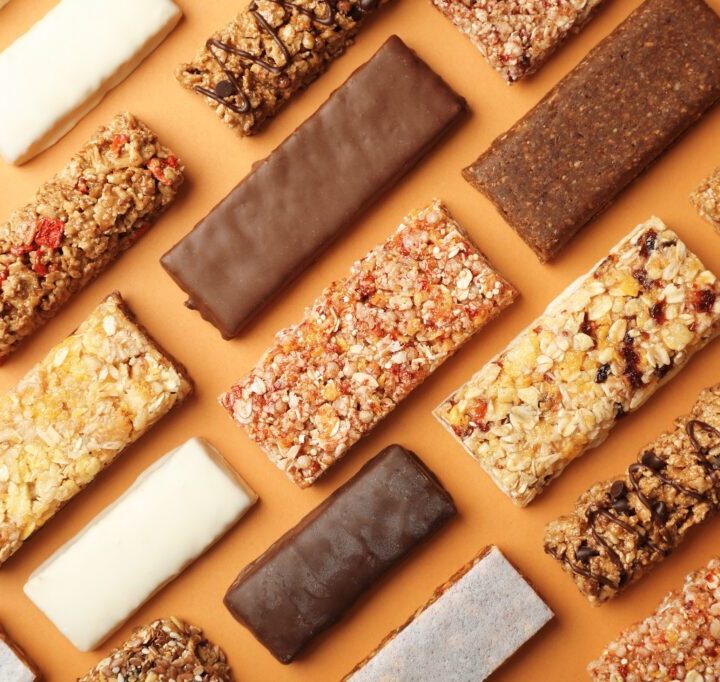
Store-bought vegan protein bars can cost anywhere from $2 to $4 per bar, and the ingredient list often reads like a chemistry textbook. So why not make your own at home?
This vegan protein bars recipe comes together in under 30 minutes with no oven, no fancy equipment, and no mystery ingredients. You get full control over the flavor, the texture, and what goes into every single bite. And when you make a double batch and freeze half, the cost per bar drops down to well under $1.
According to Cognitive Market Research, the global vegan protein bars market was valued at $761.5 million in 2024. This is proof that more people than ever are reaching for plant-based protein snacks. However, making your own is still fresher, cheaper, and tastier than anything off a shelf.
This guide will provide everything you need: a straightforward base recipe, flavor variations, substitution options, common mistakes to avoid, and storage tips. Let’s get into it.
Why Are Homemade Vegan Protein Bars Better Than Store-Bought?
Store-bought vegan protein bars often contain added preservatives and stabilizers to extend shelf life. When you make them at home, the ingredient list is short enough to read in about five seconds.
Here’s what you gain by making your own:
- Choose exactly what goes in: real oats, real nut butter, real seeds.
- Control sweetness, saltiness, and texture to match your own preferences.
- Make them nut-free, gluten-free, or soy-free with simple swaps.
- The cost per bar, especially in bulk, is a fraction of most store brands.
Moreover, homemade bars also tend to have a softer, more natural texture. Most commercial bars are pressed hard enough to survive months of shipping. Yours won’t need to.
What Ingredients Do You Need to Make Vegan Protein Bars?
You only need a handful of ingredients to make vegan protein bars, including a base, protein source, sweetener, and flavor booster. You can also opt for some optional toppings. The best part? Most of these ingredients are probably already in your pantry.
Here’s what you will need:
The Base / Binder
Rolled oats or oat flour give the bars structure and a satisfying chewiness. Alternatively, dates work as a natural binder with a caramel-like sweetness. Chickpeas and black beans (sounds unusual, we know) create a soft, fudgy texture and add serious protein without any powder.
Protein Sources
For this vegan protein bars recipe with protein powder, pea protein, brown rice protein, and hemp protein all work well. Pea protein blends smoothly into the batter. Hemp protein has a nuttier flavor. If you prefer a vegan protein bar recipe no powder, hemp seeds, chia seeds, pumpkin seeds, and chickpeas are excellent whole-food alternatives.
Sweeteners
Maple syrup is the most popular choice. It binds the mixture slightly and adds a mild sweetness. Date syrup and agave are good swaps. Keep in mind that the thicker your sweetener, the better your bars will hold together.
Nut Butter
Peanut butter is the classic go-to. But if you need a vegan protein bars recipe without peanut butter, almond butter, cashew butter, tahini, and sunflower seed butter all work just as well. The fat content in nut butter is what holds everything together.
Flavor Boosters
Sea salt is non-negotiable. It wakes up every other flavor in the bar. Vanilla extract, cocoa powder, and cinnamon are the most common additions. Don’t skip the salt, even in sweeter variations.
Optional Toppings
A drizzle of melted dark chocolate turns a snack bar into something you’ll actually look forward to eating. Crushed nuts, shredded coconut, and flaky sea salt on top are easy finishing touches.
Can You Make Vegan Protein Bars without Protein Powder?
Yes, you can make vegan protein bars without protein powders. A raw vegan protein bars recipe without powder can still pack a solid protein punch when you use the right whole-food ingredients.
Here’s how much protein key ingredients add per serving:
- Black beans (1/4 cup): ~3.5g protein
- Chickpeas (1/4 cup): ~3g protein
- Hemp seeds (2 tbsp): ~6g protein
- Pumpkin seeds (2 tbsp): ~4.5g protein
- Peanut butter (2 tbsp): ~8g protein
- Rolled oats (1/3 cup): ~4g protein
Stack these together, and you’re looking at 10–15 grams of protein per bar without a scoop of powder anywhere. If you want to push closer to a 20g protein bar recipe vegan, adding a half-scoop of protein powder alongside seeds and nut butter will get you there comfortably.
Texture note: bars made without protein powder tend to be softer and more fudge-like. Bars with powder are a bit denser and drier. Neither is wrong, just different.
How Do You Make Vegan Protein Bars Step by Step?
These are the ingredients you will need:
- 1 cup rolled oats
- 1/2 cup nut butter (peanut, almond, or sunflower seed)
- 3 tablespoons maple syrup
- 1/4 cup protein powder of choice (optional — omit for a no-powder version)
- 2 tablespoons hemp seeds
- 2 tablespoons chia seeds
- 1 teaspoon vanilla extract
- 1/4 teaspoon sea salt
- 2–3 tablespoons plant-based milk, as needed
- Optional: 1/3 cup dark chocolate chips, melted, for coating
Step 1: First, you will combine the base. Add oats, protein powder (if using), hemp seeds, chia seeds, salt, and vanilla to a food processor. Pulse a few times to roughly combine.
Step 2: Next, you will add nut butter and maple syrup. Process for 30–45 seconds until the mixture starts to clump. If it’s too dry, add plant-based milk one tablespoon at a time. The batter should hold together when you squeeze a pinch between your fingers, firm but pliable, like thick cookie dough.
Step 3: Line an 8×4-inch loaf pan with parchment paper, leaving overhang on both sides. Press the batter firmly and evenly into the pan. Use the back of a spoon or a flat spatula to smooth the top. Score the surface into bar shapes before freezing. It makes slicing much cleaner later.
Step 4: Melt dark chocolate chips with half a teaspoon of coconut oil in 30-second microwave bursts, stirring each time. Pour over the top of the pressed bar and spread evenly. You can also drizzle it for a lighter finish.
Step 5: Freeze for 30–60 minutes until semi-firm. Lift out using the parchment overhang, place on a cutting board, and slice along the scored lines. Store immediately. They soften quickly at room temperature.
If you want the full recipe, read it here.
What are the Best Flavor Variations for Vegan Protein Bars?
This is where homemade bars leave store-bought ones completely behind. Once you have the base recipe down, changing the flavor is as easy as swapping a few ingredients.
These are some delicious flavor variations:
Peanut Butter Chocolate
Use peanut butter as your base, add 2 tablespoons of cocoa powder to the dry mix, and finish with a dark chocolate drizzle. Classic, crowd-pleasing, and genuinely hard to stop eating.
Cookie Dough
Use oat flour instead of rolled oats, vanilla extract, and fold in a handful of mini dairy-free chocolate chips at the end (don’t process them, just stir through). This gives you that cookie-dough vibe without baking anything.
Chocolate Salted Caramel
Use almond butter as your base, add maple syrup generously, a pinch of flaky sea salt, and coat in dark chocolate. The combination of sweet, salty, and chocolatey in one bite is exactly as good as it sounds.
Lemon Coconut
Swap cocoa for lemon zest and shredded coconut. Use cashew butter for a lighter flavor. This is a great option if you want something bright and fresh rather than chocolatey.
Mocha Espresso
Add a teaspoon of espresso powder and a tablespoon of cocoa powder to any base recipe. The espresso deepens the chocolate flavor and gives you a gentle lift; perfect as a mid-morning snack.
Almond Joy-Style
Use almond butter, fold in shredded coconut, top with whole almonds, and coat in dark chocolate. This one skips the protein powder entirely and makes for a great raw vegan protein bars recipe.
What Substitutions Can You Make to Fit Different Dietary Needs?
One of the best things about this vegan bars recipe is how easily it adapts. You can make it nut-free, gluten-free, soy-free, and with lower sugar.
Here’s a quick guide:
- Nut-Free: Swap any nut butter for sunflower seed butter or tahini. Both have the same binding properties and fat content. Use sunflower seeds or pumpkin seeds in place of any nuts in the mix.
- Gluten-Free: Use certified gluten-free rolled oats or swap them for quinoa flakes. Everything else in this recipe is naturally gluten-free.
- Soy-Free: If your protein powder contains soy, switch to pea, hemp, or brown rice protein. All three blend cleanly into the bar batter without adding any off-flavors.
- Lower Sugar: Replace some or all of the maple syrup with mashed ripe banana or unsweetened applesauce. These add moisture and binding without as much added sugar. The bars will be slightly softer.
- No Sweetener at All: If your dates are soft enough (Medjool work best), blend them as your only sweetener. They carry enough natural sugar and stickiness to hold the bar together without any syrup.
What Equipment Do You Need to Make Vegan Protein Bars at Home?
You only need a short list of gear for a vegan protein bars recipe, such as a food processor, a loaf pan, parchment paper, and a spatula.
Here’s the list:
- Food processor: The most efficient tool for this recipe. It blends dates and beans into a smooth paste and evenly distributes nut butter through the dry ingredients. A high-speed blender works too, but you may need to scrape the sides more often.
- Loaf pan (8×4 inch): This gives you a nice, thick bar. A square 8×8-inch baking dish works if you prefer thinner bars, just expect more pieces.
- Parchment paper: Line the pan with a sling (extra paper hanging over the sides) so you can lift the whole block out cleanly without any sticking.
- Spatula or flat-bottomed glass: For pressing the batter into an even layer.
No food processor? No problem. A bowl and a spoon work fine for recipes that don’t involve dates or beans. Just make sure your nut butter is at room temperature so it mixes in easily. The texture will be slightly more rustic, but just as good.
What Are the Most Common Mistakes When Making Vegan Protein Bars?
Some common mistakes when making vegan protein bars can be insufficient binder, too much liquid, or a chalky texture.
Here’s what to watch for:
Too crumbly
The most common issue. It means there isn’t enough binder. Add an extra tablespoon of nut butter or maple syrup and process again. The batter should stick together when pressed. If it falls apart, it needs more moisture.
Too sticky to handle
Too much liquid. Fold in an extra tablespoon of oats or protein powder at a time until the batter is firm enough to press into the pan without sticking to everything it touches.
Chalky or gritty texture
This happens when too much protein powder is added. Most batches do well with 1/4 cup maximum. Beyond that, the powder overwhelms the texture. Also worth noting: some protein powders have a stronger aftertaste than others. Pea protein and brown rice protein tend to be milder in bars than hemp protein.
Bars fall apart when sliced
Sliced too early. Always freeze for at least 30–60 minutes before cutting. If you find even after freezing, they’re too soft to slice cleanly, give them another 15 minutes and try again.
The flavor tastes flat
Under-seasoning is the culprit. Sea salt and vanilla extract are not optional. They’re what separate a bar that tastes like compressed oats from one that tastes like an actual snack. Don’t skip them.
Do you want more vegan protein meal recipes besides just protein bars? We have you covered. Find the full list here.
How Do You Store Vegan Protein Bars and How Long Do They Last?
Proper storage is the difference between bars that stay fresh for weeks and bars that turn into a crumbly mess by day three.
This is how you can store them:
- In the fridge: Store in an airtight container with parchment between layers (especially if chocolate-coated). They stay fresh for up to 2 weeks. This is the most common storage method.
- In the freezer: Wrap each bar individually in plastic wrap or parchment and store in a zip-lock bag. They freeze well for up to 3 months. Pull one out the night before and let it thaw in the fridge. It will be ready to go in the morning.
- At room temperature: If your bars don’t have a chocolate coating, they hold up for 2–3 days in a sealed container. Chocolate-coated bars should stay refrigerated since the coating can melt or bloom at room temperature.
- Meal prep tip: Double the batch every time you make these. The extra 10 minutes of effort gives you 2–3 weeks of snacks sitting in the freezer. The Veganuary campaign alone saw over 629,000 sign-ups in 2022, according to the Vegan Society. This is more than double 2019’s numbers. The demand for convenient plant-based snacks is real. Having a stash in your freezer means you’re always prepared, whatever the day looks like.
FAQs
Can you bake these instead of making them no-bake?
Yes. Press the batter into a lined pan and bake at 325°F (160°C) for 18–22 minutes. They come out firmer and slightly drier, more like a granola bar texture. Let them cool completely before slicing, or they’ll crumble.
Are these suitable for kids’ lunchboxes?
Absolutely, with one consideration: if the school is nut-free, use sunflower seed butter or tahini instead of peanut or almond butter. Otherwise, these bars are a solid lunchbox option. They hold up well for a few hours outside the fridge.
What vegan protein powder works best in bars?
Pea protein and brown rice protein blend the most smoothly and have the mildest flavor in bar form. Hemp protein works too, but adds a slightly nuttier, earthier taste. Avoid flavored powders unless they match your intended flavor. An overpowering vanilla powder in a lemon coconut bar will clash.
Can I add mix-ins like dried fruit or seeds?
Yes. Dried cranberries, raisins, and chopped apricots all work well. Just avoid fresh fruit since it adds too much moisture. Sunflower seeds, pumpkin seeds, and sesame seeds are great additions for extra crunch and nutrition.
How many grams of protein are in each bar?
It depends entirely on what you put in. A bar made with 1/4 cup protein powder, 2 tablespoons nut butter, and 2 tablespoons hemp seeds will typically land between 12–18g protein. For a 20g protein bar recipe vegan, increase the protein powder to 1/3 cup and add an extra tablespoon of hemp seeds.